
Skip to content

July 16, 2026 · Flooring insight

Repair or Replace Existing LVP?

Damage does not automatically mean replacement.

A damaged plank does not automatically require a new room, and replacing one plank does not automatically solve the problem. The right decision begins with cause. Impact damage, a failed transition, trapped movement, water exposure, substrate irregularity, and an installation-wide locking issue can look similar at first glance but lead to very different scopes.

First: map the symptom

Photograph the affected area close up and from across the room. Mark whether it is growing, moving, noisy, soft, raised, separated, discolored, or linked to a doorway, appliance, fixed cabinet, exterior wall, or previous leak. Then inspect the surrounding floor rather than focusing only on the worst plank.
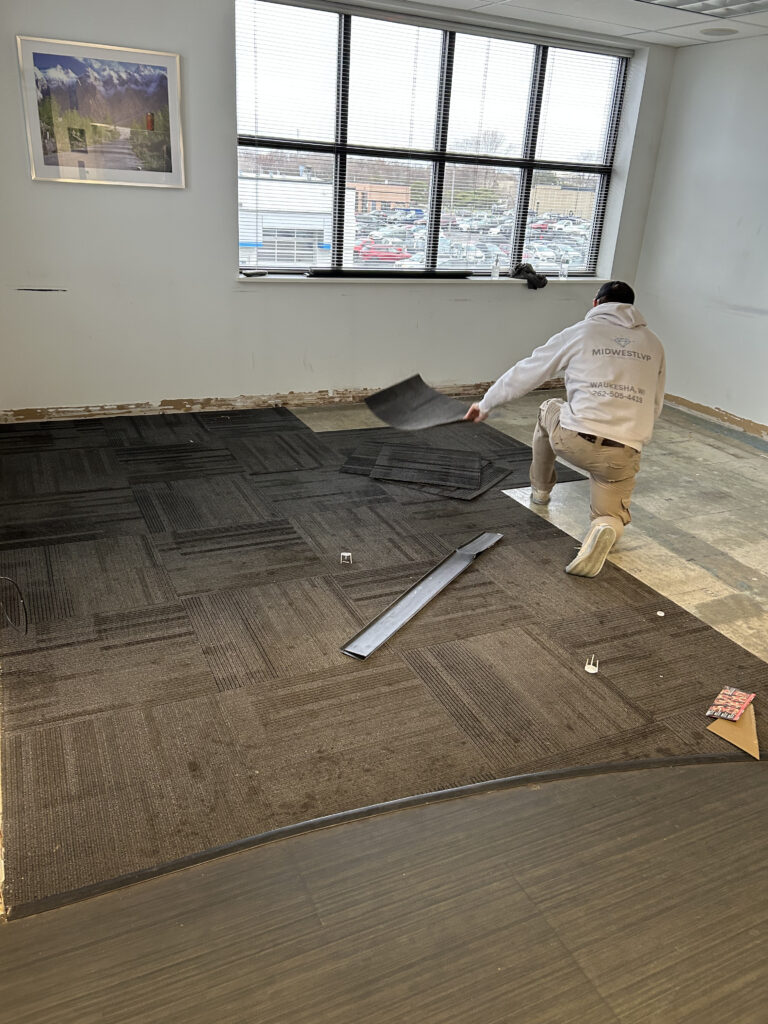
Detailed flooring installation at a room edge
Edges, transitions, and fixed boundaries can reveal why a localized symptom developed.

Repair may be practical

Localized and explainable

  • A small number of damaged pieces
  • A known impact or isolated transition issue
  • Sound surrounding installation
  • Compatible matching material available
  • Access without unacceptable collateral damage

Replacement may be stronger

Widespread or recurring

  • Movement or separation across multiple areas
  • Continuing water or substrate problems
  • Repeated locking-system failures
  • No usable matching material
  • A repair path that would disturb most of the room

Matching material is more than matching color

Even when a visual looks close, the replacement must work with the existing dimensions, thickness, edge profile, locking system, construction, and installation method. Dye-lot and pattern variation can remain visible. Keeping labeled attic stock from the original job gives a future repair a much better starting point.

Correct the cause before the cosmetic result

If a joint failed because the floor is moving over a low area, changing the plank alone may repeat the failure. If moisture entered from an appliance or exterior door, the source and affected materials need evaluation. If the installation is pinched by a fixed object or insufficient perimeter space, the pressure condition matters as much as the visible gap.
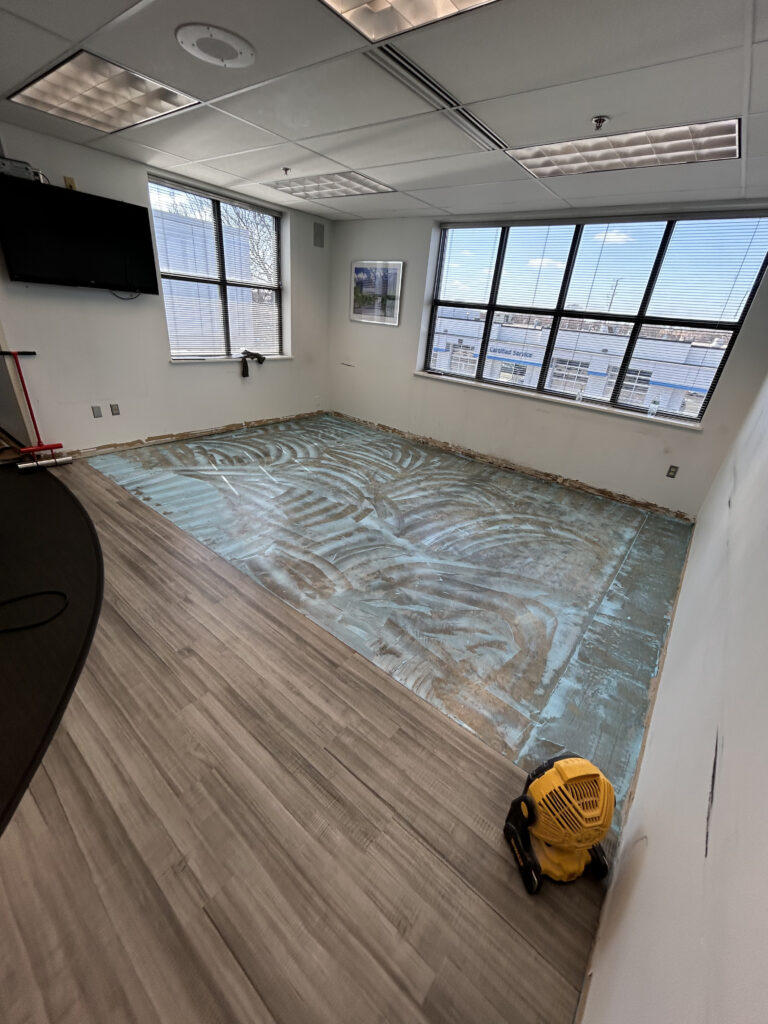
Flooring detail around an architectural transition
A successful repair has to respect the surrounding installation and finish boundaries.
Completed floor through connected residential spaces
When issues span connected rooms, the decision may extend beyond one visible plank.

What to send for an informed first conversation

  • Close and wide photos of every affected area.
  • The product carton label, receipt, or specification if available.
  • Extra matching material and an estimate of how much remains.
  • When the symptom appeared and whether it is changing.
  • Any water, remodel, appliance, cabinet, or temperature event near that time.

Diagnose before deciding

A photo-assisted estimate request can help separate an isolated repair from a larger flooring problem.

Show us the issue

Questions, answered

Plan with fewer surprises.

Straight answers about preparation, materials, timing, and what helps define an accurate scope.

What information helps you prepare an estimate?

Rooms or approximate square footage, ZIP code, current flooring, desired timing, known problem areas, and a few clear photos provide a useful starting point. A final scope still depends on the actual space, selected material requirements, and agreed responsibilities.

Do I need to move furniture before installation?

Furniture responsibilities should be confirmed before work begins. Small belongings, breakables, electronics, and wall décor near the work area should be removed. Large furniture and appliance handling depend on the project scope and should never be assumed.

How long does a flooring project take?

Timing depends on room count, removal, preparation, layout complexity, stairs and transitions, occupied-space logistics, and the selected product. Midwest LVP can give a more useful schedule after reviewing the space and defining the scope.

Why does floor preparation matter?

The finished floor relies on the surface beneath it. Residue, movement, damaged areas, abrupt height changes, high spots, and low areas can affect appearance or performance. Preparation should follow the selected manufacturer requirements and verified site conditions.

Can LVP be installed in a basement?

Many LVP products are approved for below-grade spaces, but the exact product instructions and the actual basement conditions control the decision. Active moisture, drainage, leak, or substrate problems should be resolved before new flooring is installed.

Keep exploring

From questions to a finished floor.

Connect the practical advice, visible workmanship, and service details that shape a better project.