
Skip to content

Diagnose before replacing

LVP & LVT Repair

Diagnosis first, then a targeted repair — damaged planks, gaps, movement, or a transition that failed. Cause first, then the patch.

A project path, shaped by your space

Diagnose before replacing

These are the decisions that usually shape this kind of work. The final scope follows your actual rooms, the material instructions, the substrate we can get to, and where the floor has to meet doors, stairs, and trim.

01Cause first
02Material match
03Surrounding stability
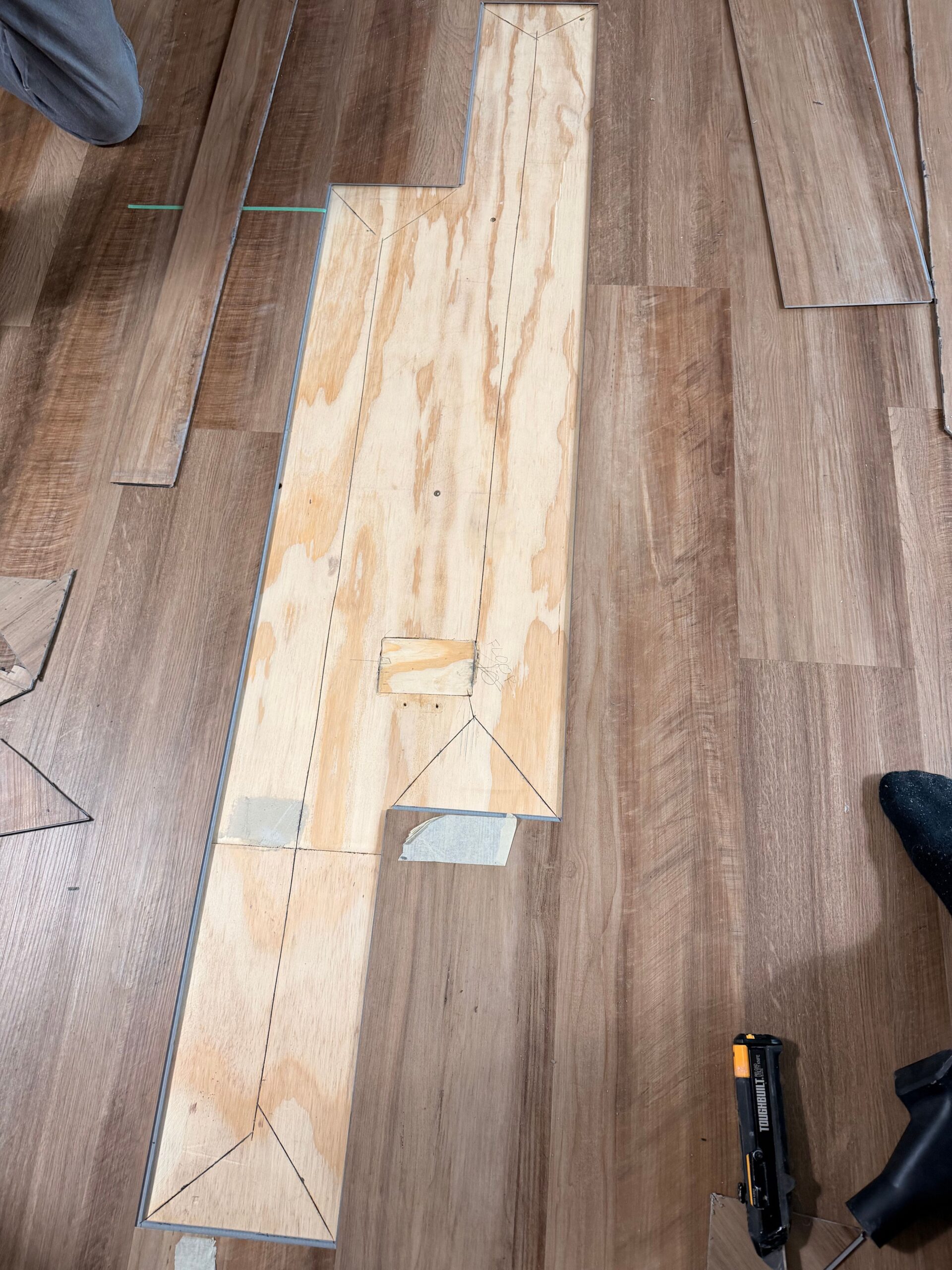
Planks lifted to reach the repair area and underlayment
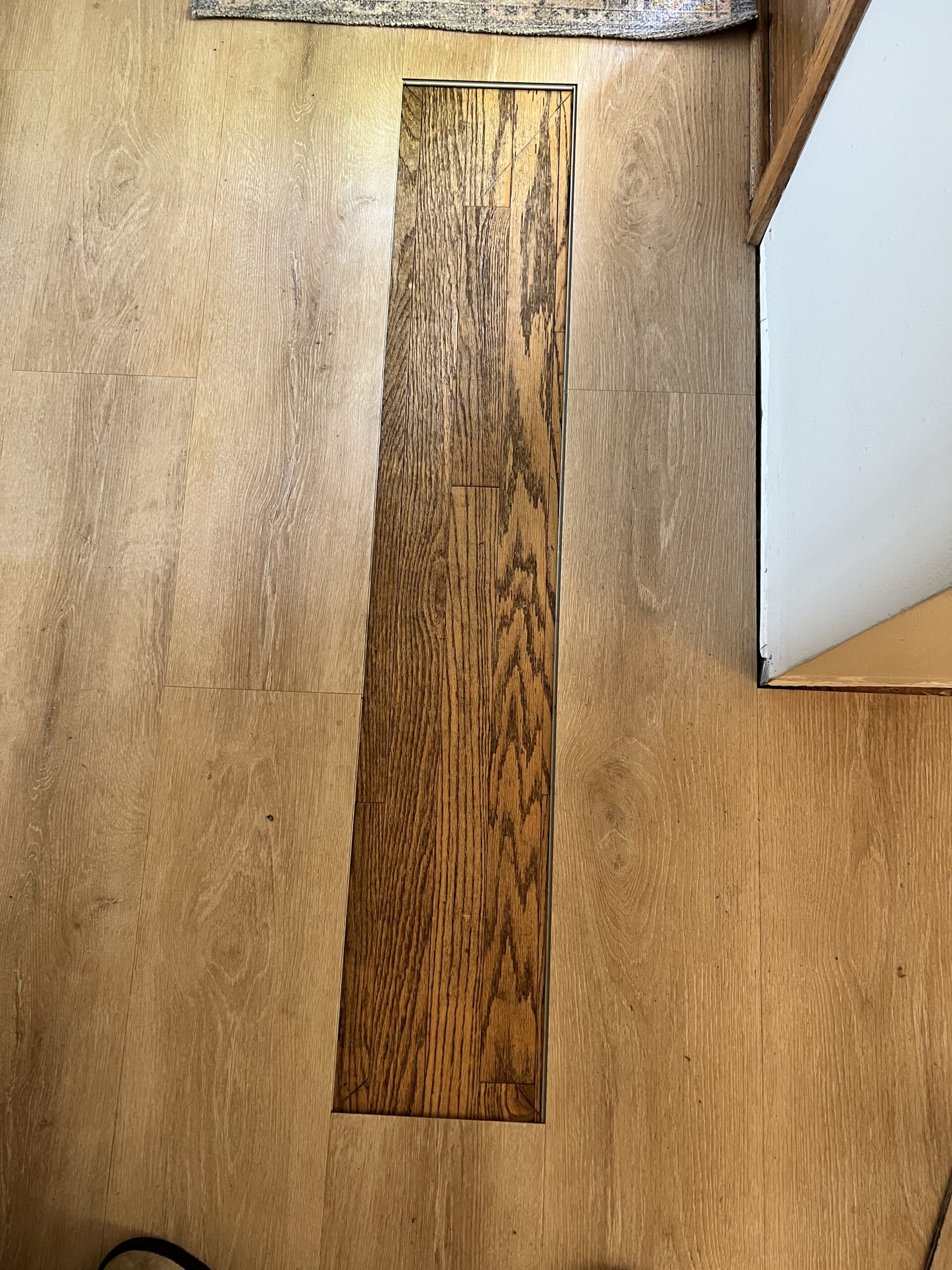
Replacement plank set into an existing LVP floor

A strong fit for

  • Localized plank damage
  • Failed transitions
  • Movement or separation

Find the cause before pulling the floor

What you see is rarely where the problem started. A gap at a seam can be a pinched expansion space at the wall, a transition fastened through a floating floor, a failed lock, or a subfloor that moves. The affected area and the floor around it both get looked at before anything is recommended, because swapping planks without fixing the cause only buys a few months.

What a repair usually involves

Opening the area back to the subfloor, checking what is underneath, correcting the condition, and setting replacement material so the seam disappears into the field. Glue-down is a different process than click-lock; we work to the product already in your house.

About matching

A repair only looks right if the material matches. Leftover boxes from the original install are the best case. Otherwise we look for a compatible product and tell you honestly what the match will look like before anything is cut. No match is promised before someone has put eyes on it.

Best for

Water damage in one room, a section under a fridge or dishwasher, damaged planks in a traffic path, failed thresholds, and floors that click or move underfoot.
Questions, answered

Plan with fewer surprises.

Straight answers about preparation, materials, timing, and what helps define an accurate scope.

What information helps you prepare an estimate?

Rooms or approximate square footage, ZIP code, current flooring, desired timing, known problem areas, and a few clear photos provide a useful starting point. A final scope still depends on the actual space, selected material requirements, and agreed responsibilities.

Do I need to move furniture before installation?

Furniture responsibilities should be confirmed before work begins. Small belongings, breakables, electronics, and wall décor near the work area should be removed. Large furniture and appliance handling depend on the project scope and should never be assumed.

How long does a flooring project take?

Timing depends on room count, removal, preparation, layout complexity, stairs and transitions, occupied-space logistics, and the selected product. Midwest LVP can give a more useful schedule after reviewing the space and defining the scope.

Why does floor preparation matter?

The finished floor relies on the surface beneath it. Residue, movement, damaged areas, abrupt height changes, high spots, and low areas can affect appearance or performance. Preparation should follow the selected manufacturer requirements and verified site conditions.

Can LVP be installed in a basement?

Many LVP products are approved for below-grade spaces, but the exact product instructions and the actual basement conditions control the decision. Active moisture, drainage, leak, or substrate problems should be resolved before new flooring is installed.

Keep exploring

From questions to a finished floor.

Connect the practical advice, visible workmanship, and service details that shape a better project.

Built from the floor up

Ready for a stronger floor?

Share the space, existing flooring, ZIP code, timeline, and optional photos. We will use the real conditions to shape the next conversation.

Plan My Project